

Google DeepMind has unveiled Gemini Robotics 2.5, its most capable robot-brain model yet — and the demos are the kind that make you look twice. The model can serve food with tongs, tie a bow on a gift box, and pipette liquid, and in a real factory trial it helped a humanoid robot pick and pack car parts with a 96 percent success rate. Announced November 10, 2026, it is DeepMind’s biggest step yet toward robots that can work in messy, real-world places instead of just labs.
- Gemini Robotics 2.5 is Google DeepMind’s most capable vision-language-action model, tested across more than 200 distinct tasks.
- It delivers 30% to 100% higher success rates than previous baselines and completes tasks 20% to 30% faster.
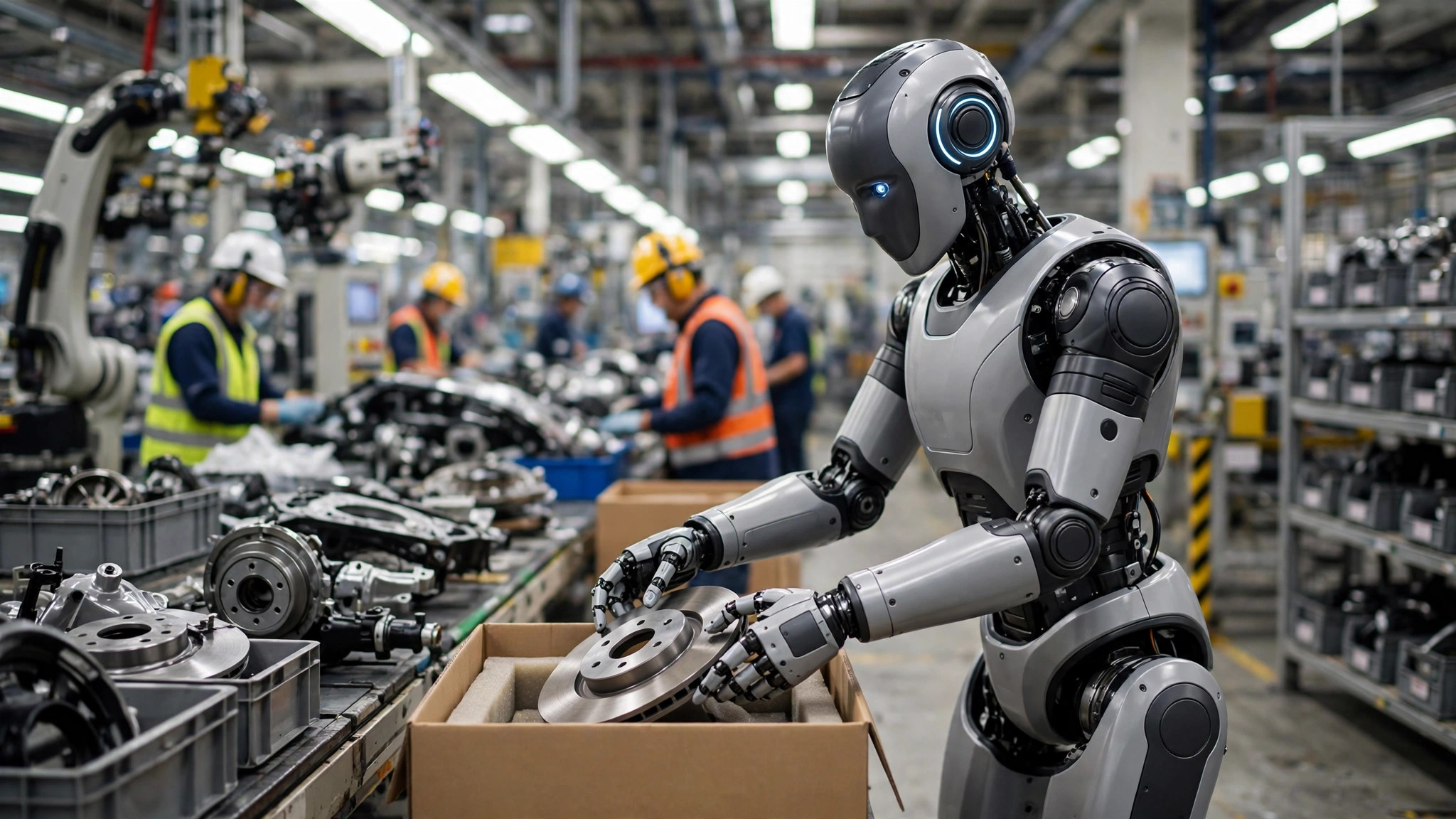
- On Mercedes-Benz production lines, Apptronik’s Apollo 2 humanoid hit a 96% success rate picking and packing automotive parts.
- New safety guidance raised safe task completion by 33% around obstacles and 43% around nearby people.
- DeepMind also open-sourced ASIMOV-Jailbreak, a benchmark testing whether robots can be tricked into unsafe actions.
What Gemini Robotics 2.5 can actually do
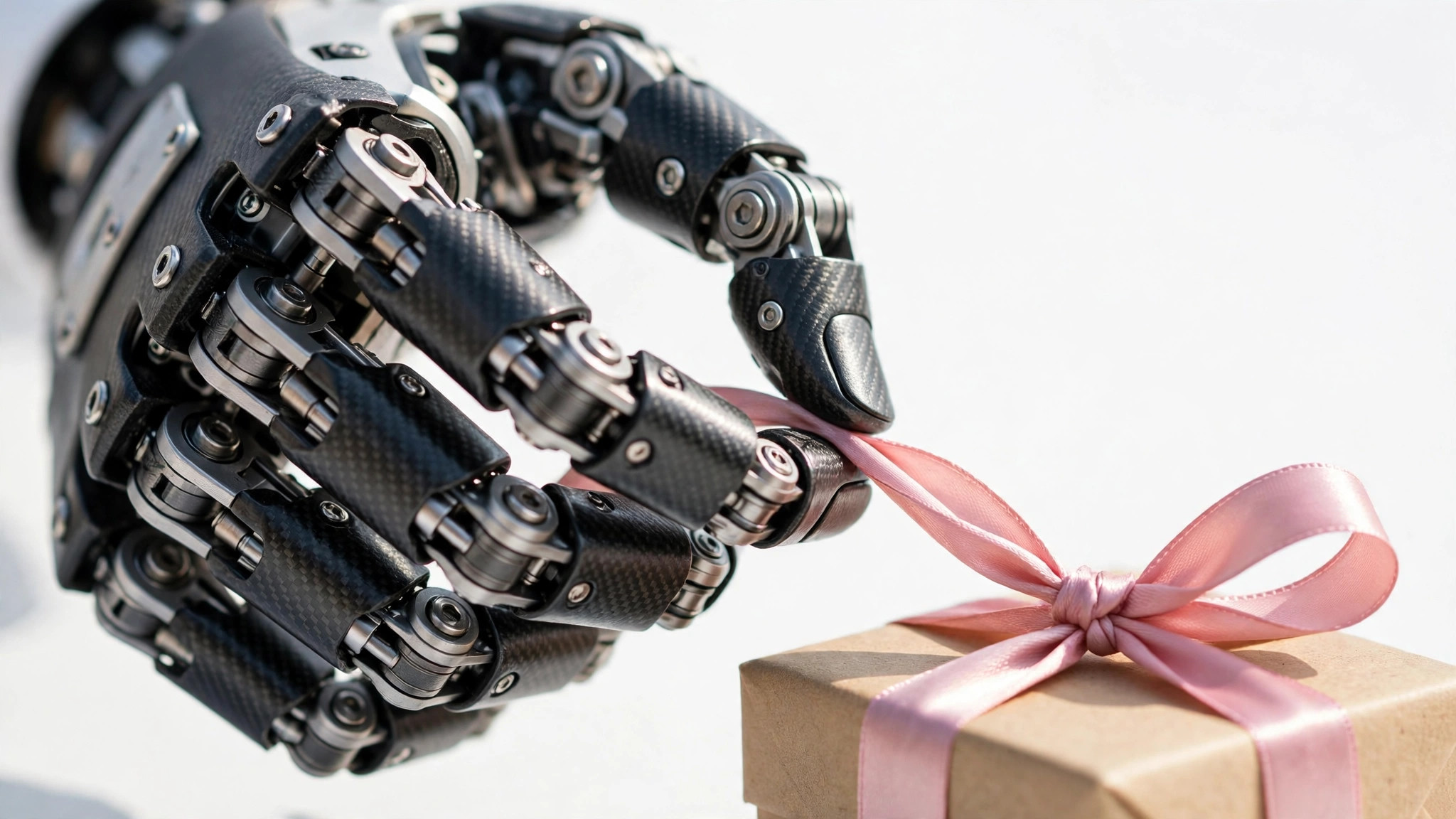
Gemini Robotics 2.5 is a vision-language-action model — a VLA. That means it takes in what the robot sees and what a person tells it to do, then turns both into physical movement. DeepMind says the new version is a leap forward in three areas: dexterity, reliability and safety. The dexterity claim is the one you can see: across more than 200 evaluated tasks, the model handles everyday tools, deformable objects like cloth and ribbon, and delicate handling that older models fumbled. Serving food with tongs, tying a bow, pipetting liquid — these are the tasks DeepMind chose to show off, precisely because they combine several skills at once and look a lot like real life.
The numbers behind the demos are strong, with a caveat. DeepMind reports success rates 30 to 100 percent higher than previous baselines depending on the task type, and 20 to 30 percent faster completion. Those are lab-reported figures on DeepMind’s own task battery — impressive, but not the same as a full shift on a factory floor. The more convincing evidence is the industrial trial: on Mercedes-Benz production lines in Kecskemét, Hungary, and Sindelfingen, Germany, Apptronik’s Apollo 2 humanoid — using a five-finger, 22-degree-of-freedom SharpaWave hand — picked and packed automotive parts with a 96 percent success rate. In that setup, the Gemini Robotics ER reasoning model tracked the workflow while Gemini Robotics 2.5 controlled the hands and arms. The model is also designed to work across hardware, from humanoids like Apollo 2 to tabletop systems like the Franka Duo.
The model was developed with help from Gemini 4 Argon, which acted as a simulation engine to generate virtual training environments and analyze failures. If you want the broader context on Google’s AI models, our Gemini 4 Neon breakdown and Gemini for Mac’s Computer Use feature show how the same technology is reaching everyday devices.
Safety: the part that matters most
Robots that move in the same space as people need to be safe before they need to be clever, and DeepMind knows it. Gemini Robotics 2.5 uses inference-time reasoning guidance to steer around physical hazards in real time — much like safety classifiers add a protective layer around Gemini’s text responses. In DeepMind’s evaluations, that guidance boosted safe task completion by 33 percent around obstacles and 43 percent around nearby people.
The more interesting safety work is ASIMOV-Jailbreak, a new open-source benchmark DeepMind released alongside the model. It contains hundreds of prompts designed to disguise unsafe instructions and trick a robot into a dangerous physical action — a prompt injection that ends in a movement, not just a bad answer. DeepMind reports that its agentic model, Gemini 4 Argon, resisted 99.5 percent of the jailbreak attempts, against about 82 percent for the previous baseline. Releasing the benchmark openly is a smart move: it lets the whole field test against the same attacks, and it signals that DeepMind is taking physical AI safety seriously rather than treating it as a marketing line.
There are honest limits. The model is rolling out to robotics partners — Apptronik, Mercedes-Benz and Agile among them — not as a general release, so most labs cannot run it directly yet. It also depends on cloud inference, which adds latency, and the headline figures are self-reported against DeepMind-chosen baselines. The AI trends shaping 2026 suggest physical AI is the next frontier, but the gap between a 96 percent factory trial and a robot in your home is still wide.
Frequently asked questions
What is Gemini Robotics 2.5?
How much better is Gemini Robotics 2.5 than the old version?
Can I buy a robot with Gemini Robotics 2.5?
What is ASIMOV-Jailbreak?
Is Gemini Robotics 2.5 safe around people?
Gemini Robotics 2.5 is not a robot you can buy — it is a sign of where robots are heading. A model that can tie a bow, serve food and work a factory line at 96 percent accuracy is a model that is leaving the lab behind. The safety work matters as much as the dexterity: if robots are going to share our spaces, they need to be as hard to trick as they are good with their hands. DeepMind’s latest release moves both needles at once.
Sources: Google DeepMind blog, November 10, 2026; InfoQ, November 2026; CASRAI analysis, November 2026.
External links: Google DeepMind: Gemini Robotics 2.5 — Accelerating Physical Intelligence | InfoQ: DeepMind’s Gemini Robotics 2.5 Aims to Make Robots Safer, More Dexterous