
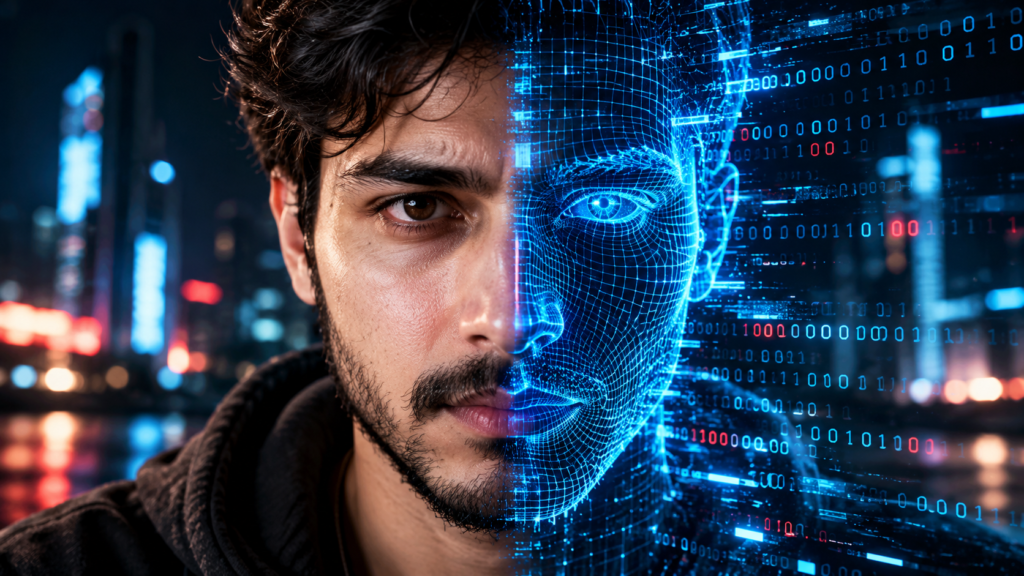
The 2026 AI Safety Crisis: How to Spot Deepfakes & AI-Generated Fiction
Let’s be real for a second. In 2026, scrolling through our social media feeds feels a bit like walking through a digital funhouse. We are living in an era where seeing is no longer believing. From a video of a famous CEO announcing a fake giveaway to a frantic phone call that sounds exactly like your mom asking for bail money, the line between reality and synthetic media has completely blurred.
If you are wondering how to spot deepfakes and AI generated videos in 2026, you are absolutely not alone. The bottom line is this: AI has gotten incredibly good, but it still makes mistakes. To protect yourself, you need to look for unnatural blinking, mismatched lighting, weird background text, and robotic audio pacing.
Let’s break down exactly what you need to look out for so you don’t become the next victim of a synthetic scam.
The AI Safety Crisis and Deepfake Scams Explained
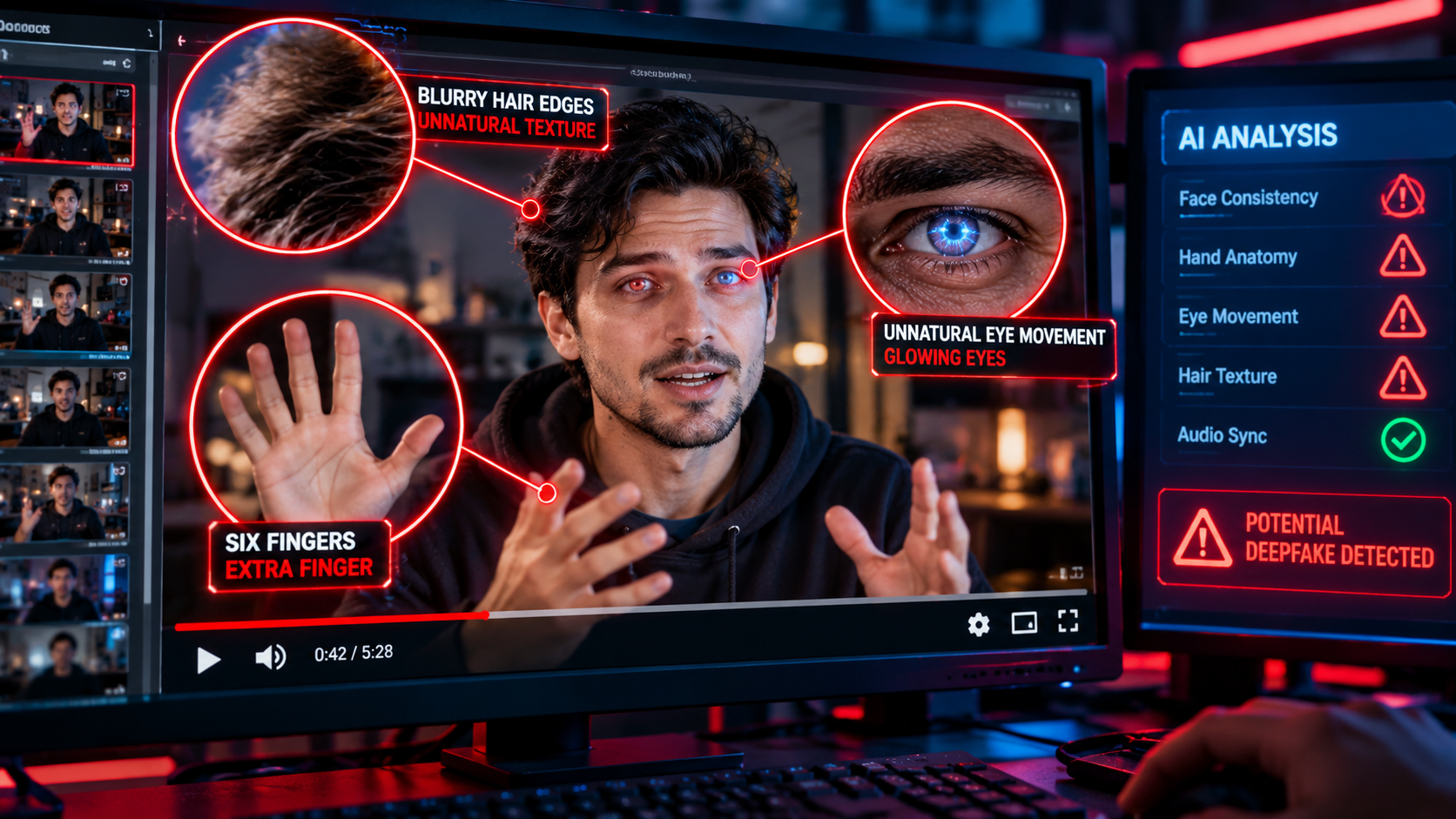
First, why is this suddenly such a massive deal? The AI safety crisis and deepfake scams explained simply comes down to accessibility. Just a few years ago, creating a convincing fake video required a Hollywood-level studio and a massive budget. Today, anyone with a smartphone, a few dollars, and a couple of photos can generate highly realistic videos or clone someone’s voice in minutes.
Scammers are using this technology to drain bank accounts, manipulate stock prices, and spread political misinformation. It’s a modern digital pandemic. But don’t panic—while the tech is advancing, our ability to detect it is growing, too. You just have to train your brain to act like a digital detective.
📦 Also Read: Reuters: The Latest Updates on Artificial Intelligence & Global Tech Regulation
5 Tell-Tale Signs a Video is AI Generated or a Deepfake
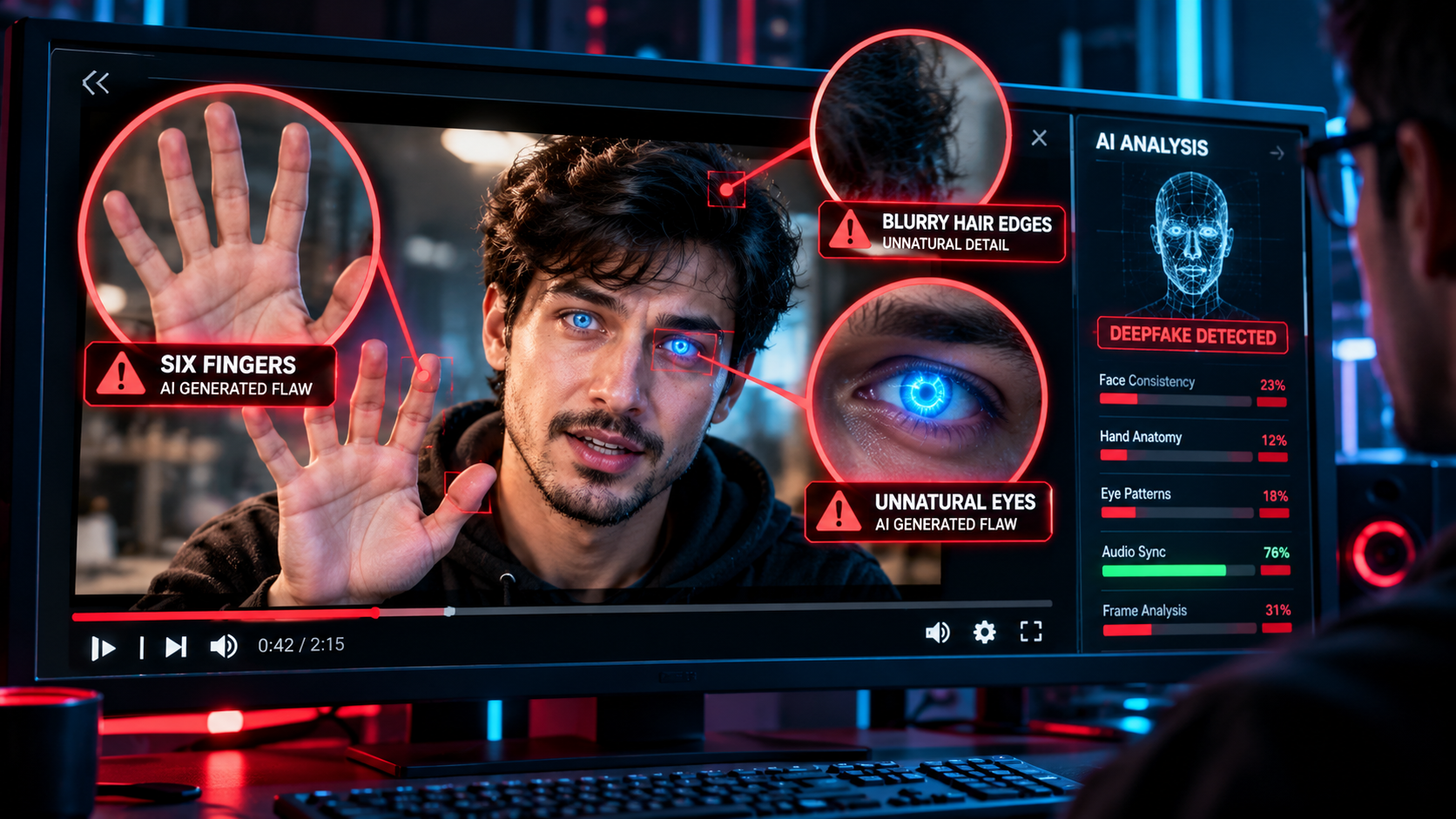
Even the most advanced AI models struggle with the complex physics of the real world. If you want to know the clear signs a video is AI generated or deepfake, keep your eyes peeled for these five visual glitches:
-
The “Dead Eyes” and Blinking: Humans blink naturally and our eyes reflect light based on our surroundings. AI often struggles with this. Look for a lack of blinking, overly frequent blinking, or eye reflections that don’t match the room’s lighting.
-
Messy Hands and Teeth: AI has a notoriously hard time rendering fingers and teeth. Pause the video. Does the person have six fingers? Are their teeth blending into one solid white block? That’s a dead giveaway.
-
Inconsistent Lighting and Shadows: If the sun is hitting a person’s face from the left, but their shadow is cast to the left as well, the physics are wrong. AI frequently hallucinates lighting.
-
Weird Hair and Skin Textures: Deepfakes often apply a “smoothing” effect. If a 60-year-old politician suddenly has the flawless, poreless skin of an Instagram filter, be skeptical. Also, watch the edges of their hair; AI often blurs where hair meets the background.
-
Gibberish Background Text: Look at street signs, store logos, or t-shirts in the background. Generative AI usually creates alien-looking, melted text that doesn’t spell actual words.
📦 Also Read: Chrishell Stause G Flip Split: Jason Oppenheim Reacts
How to Identify AI Voice Cloning and Deepfake Audio
Video is only half the battle. Voice scams are actually much easier for criminals to pull off. They only need a three-second audio clip from your TikTok or voicemail greeting to clone your voice perfectly. So, how to identify AI voice cloning and deepfake audio when your phone rings?
First, listen to the pacing. AI voices often struggle with natural emotional breathing. They might sound a little too robotic, or they might not pause for a breath in the middle of a long, frantic sentence. Secondly, listen for weird background clipping or metallic, tinny echoes.
Pro Tip: Establish a “family safe word.” If someone calls claiming to be a loved one in trouble and asks for money, ask them for the safe word. If they don’t know it, hang up.
📦 Also Read: Apple HomeView: Price, Features, Release Date & Specs
Best Deepfake Detection Tools to Spot Fake Videos
You don’t have to rely entirely on your eyes and ears; the tech industry is fighting fire with fire. If you are a journalist, a small business owner, or just a cautious citizen, there are apps designed to help you verify content.
When searching for the best deepfake detection tools to spot fake videos, keep these in mind:
-
Reality Defender: Widely used by enterprises, this tool scans audio, video, and images to give a probability score of whether the media is synthetic.
-
Google’s SynthID: This is a watermarking tech built directly into AI-generated media. While it’s mostly under the hood, browser extensions in 2026 are increasingly able to read these invisible watermarks to tell you if an image was made by an AI.
-
Truepic: This platform focuses on verifying the authenticity of a photo right at the moment it’s captured, ensuring it hasn’t been altered by AI later.
📦 Also Read: Jio Share Price: 7 Bullish Signals & 3 Risks to Watch in 2026
Protecting Your Digital Footprint
The easiest way to prevent your own face or voice from being used in a deepfake is to practice digital minimalism. Keep your social media profiles private, avoid doing “voice trends” on public platforms, and be incredibly skeptical of sensational news that triggers immediate anger or fear. Scammers want you emotional so you won’t pause to check the facts.
📦 Also Read: Apple HomeView Price in India, Features & Release Date 2026
🛡️ FAQ: AI Deepfakes & Cyber Security Guide 2026
📸 Q1. Can deepfakes be created from just a single photo?
Ans: Yes. In 2026, single-image animation tools are incredibly powerful. A scammer can take your Facebook profile picture and animate it to make it look like you are talking and nodding on a video call.
⚖️ Q2. Is it illegal to make a deepfake?
Ans: It depends on how it is used. Making a parody video is usually protected under free speech in the US. However, using deepfakes for fraud, non-consensual explicit content, or voter manipulation is illegal and heavily prosecuted by federal agencies.
🔍 Q3. Are AI detectors 100% accurate?
Ans: No. Just like antivirus software, AI detectors are always playing catch-up. They are a great second layer of defense, but your own critical thinking is still your best weapon.
🚨 Q4. What should I do if I spot a deepfake scam online?
Ans: Do not share it, even to say “look how fake this is,” because the algorithm will just boost its reach. Report it to the platform immediately, and if it involves financial fraud, report it to the FTC.
📦 Also Read: New York Times: The Cultural Impact of Artificial Intelligence in Everyday Life
Stay Smart, Not Scared
Navigating the web in 2026 can feel a bit like walking through a minefield, but it doesn’t have to be terrifying. By understanding the tell-tale signs of synthetic media, listening carefully to audio cues, and utilizing the right detection tools, you can easily outsmart the scammers. Remember, whenever a video or audio clip makes you feel extreme urgency or panic, that’s your cue to stop, breathe, and investigate. Stay skeptical, stay secure, and keep your family safe word handy!