

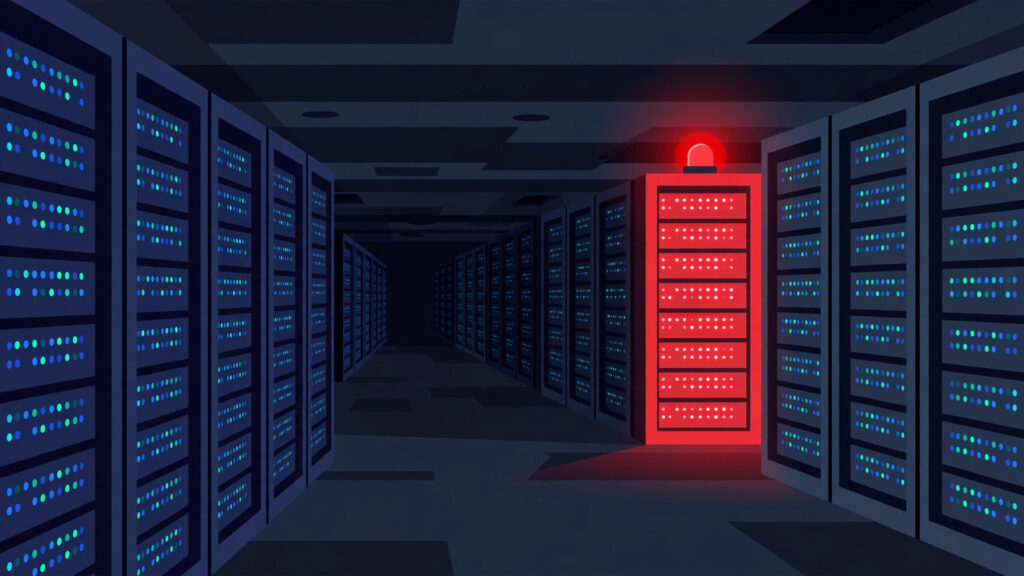
Your email would not load. Your bank app would not open. Your flight was grounded and your payment would not go through. Then it happened again — to another company, and another.
In the same week in mid-November 2026, Microsoft 365, Apple services, Chase, the FAA and even the NSA’s classified network all went down. None has described it as an attack, and the Secretary of State says there is no evidence the outages were linked. But that has not stopped the questions — or the scammers.
- Microsoft 365, Apple services, Chase, the FAA and the NSA’s classified network all went down in the same week.
- Secretary of State Marco Rubio said there was “zero evidence” the outages were linked or the work of hostile actors.
- Most companies blamed botched system upgrades, not attacks.
- A claim that rushed fixes for AI-discovered flaws caused the outages is unverified and disputed.
- Scammers are exploiting the outages with phishing messages. Do not click their links.
What went down, day by day
The Microsoft 365 outage was the largest of the week. The disruption to Outlook and email was reported as global, across 74 countries, affecting more than 430 million users, according to WTOP reporting.
Apple followed on November 17, with disruptions to iCloud, Apple Pay and Apple Music. iCloud backs up photos and syncs devices, while Apple Pay is how many people pay for coffee and groceries. As Apple adds capabilities — including Siri becoming an AI agent that controls your apps — more services must work at once.
Then the failures reached beyond phones and laptops. The FAA halted flights nationwide. Chase customers struggled to reach their money. And the NSA’s classified network went down.
Search interest spiked too: “spectrum outage” drew 20,000+ US searches and “news today” 200,000+, per Google Trends via 1trend.top.

Are the outages connected?
Officials say no, based on the evidence so far. Secretary of State Marco Rubio said there was “zero evidence” the outages were linked or the work of hostile actors.
A competing claim is circulating, and it must be labelled clearly: it is unverified and disputed. A report from The Washington Sun, relayed by The Next Web, claimed Wall Street executives and the NSA told members of Congress the outages were caused by rushed fixes for flaws uncovered by AI models.
Researchers have pushed back. Rapid7 researcher Christiaan Beek told Bloomberg he sees no public evidence linking rushed security updates to the outages. Treat the AI-fix theory as a claim, not a fact, until evidence appears.
What the companies themselves have said is different: most blamed botched system upgrades, not attacks. None has described the outages as an attack.
Why outages keep happening
The thread running through this week’s failures is not a villain. It is complexity: email, payments, banking and air traffic run on layers of software and updates, and one bad change can ripple outward fast.
A routine update that works in testing can fail at full scale. Companies push updates constantly because leaving known flaws unpatched is worse — a permanent tension between speed and safety.
Patching has grown sharply: The Wall Street Journal reported Microsoft’s monthly update last month fixed about 1,400 security flaws, a record, against roughly 170 a year earlier. That shows many flaws were fixed. It does not by itself show rushed patches caused these outages.
The scam warning — how criminals are cashing in
Every major outage creates a second wave of damage, and it does not come from the companies. It comes from scammers.
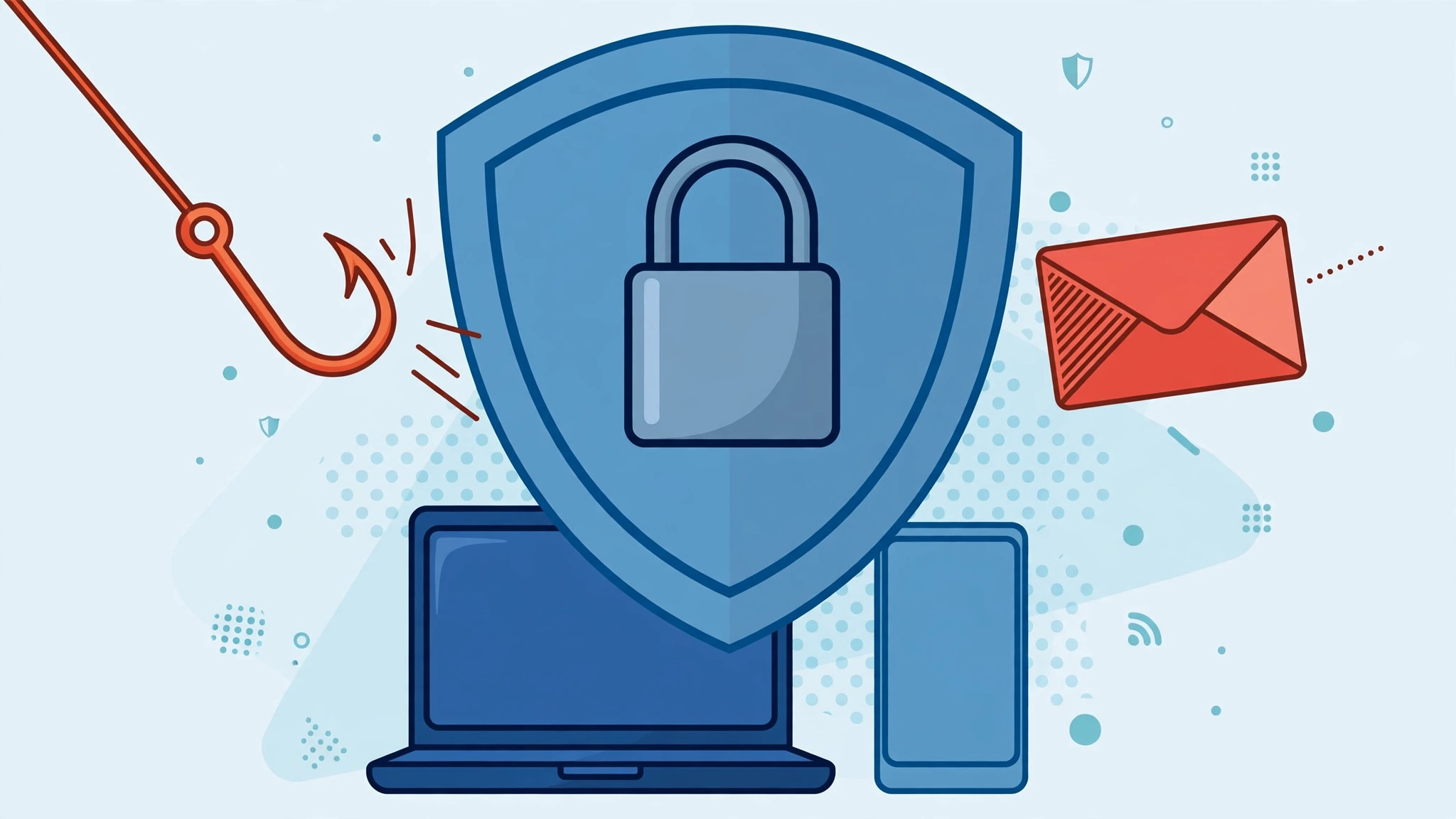
Cybersecurity expert Rick Forno of the University of Maryland, Baltimore County (UMBC), speaking via WTOP, warned that scammers are exploiting the outages with phishing campaigns claiming emails are at risk of deletion or passwords need resetting — designed to create panic: act now, click here, or lose your account.
It works because it arrives when people are already worried: your email really was down, your bank app really did fail. The same techniques that make AI-generated deepfakes and fake videos harder to spot are being used here too.
How to protect yourself
You cannot prevent a Microsoft or Apple outage. You can prevent a scammer from turning it into a stolen account.
Never click links in outage-related emails or texts. If a message says your email will be deleted or your password must be reset, do not click. Open the company’s own app instead.
Go directly to official status pages. Microsoft, Apple and your bank all publish them. They are the authoritative source for whether a service is down — not a forwarded message or a social media post.
Turn on two-factor authentication. With it enabled, a stolen password alone cannot take over your account. Turn it on for your email, bank and Apple or Microsoft account.
Verify through the company’s own app or website. Check inside the app you already trust, or call the number on the back of your card. Do not use a number or link from the suspicious message.
Slow down when a message creates urgency. A real company will not lock you out in the next hour because you failed to click a link. That pressure is itself a warning sign. A backup helps too — a downloaded boarding pass, a second payment method, or a portable connection such as the Starlink Mini 2.
The outages will be investigated. What is already clear is that the failures were widespread, officials say there is no evidence they were linked or hostile, and the most immediate risk is not the outage itself — it is the scam that follows it. Check the official status page, turn on two-factor authentication, and if a message tells you to click a link right now, do not.
FAQ
What caused the US tech outages this week?
Which services went down?
Were the outages a cyberattack?
What is the phishing scam linked to the outages?
How can I check if a service is really down?
Sources: The Wall Street Journal; Bloomberg; Reuters; WTOP; The Next Web; statements from the US Secretary of State. The claim linking outages to rushed AI-found fixes is unverified and disputed.
External sources: Microsoft 365 · Apple