



Donald Trump’s Viral “Sleep Moment” Sparks Massive Debate in America — What Really Happened?
Introduction: Why Is Everyone Talking About Donald Trump Again?
America woke up to another internet storm this week — and once again, the center of attention was Donald Trump.
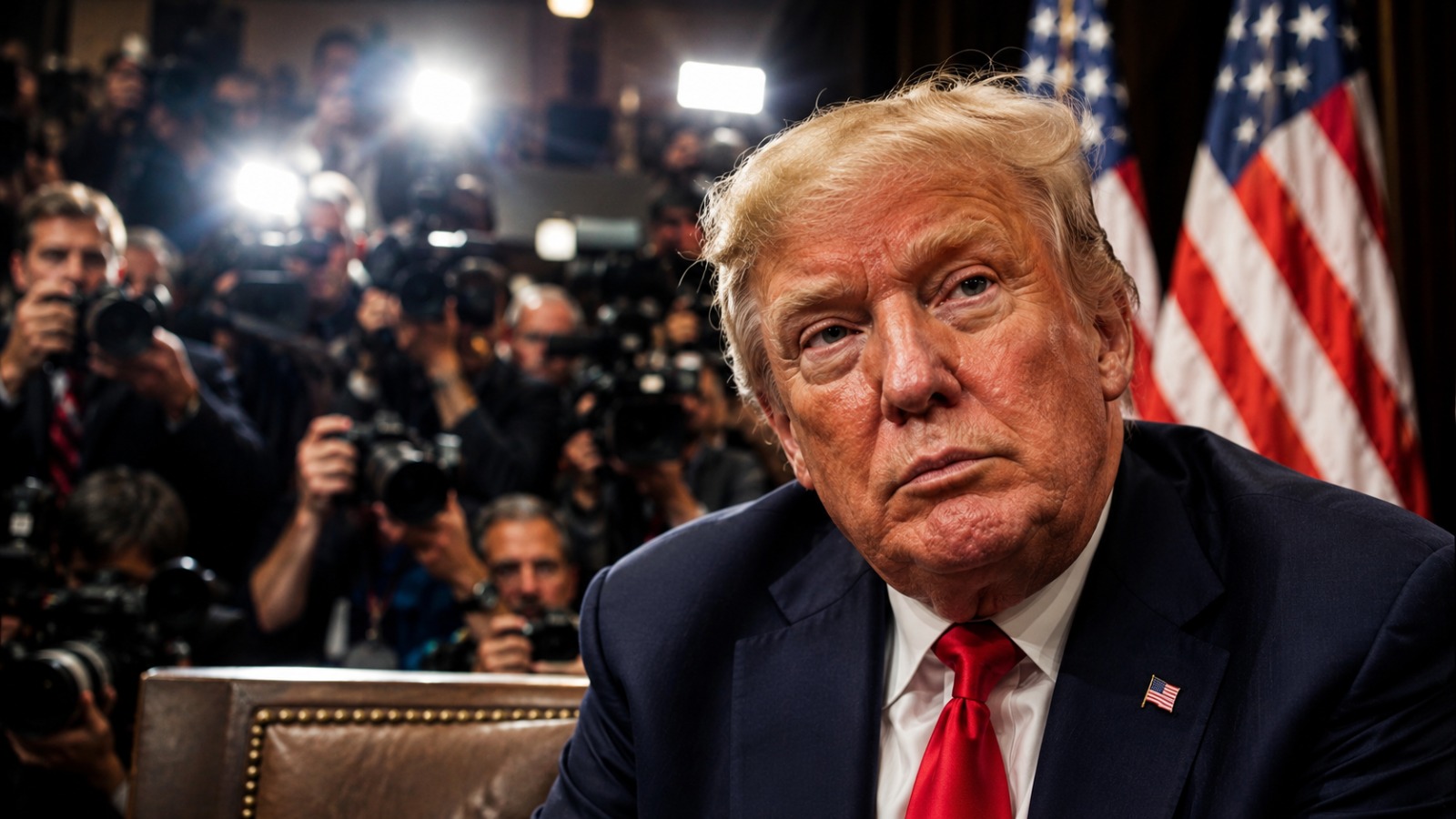
A viral clip and a few controversial photos from a recent White House-related event exploded across social media platforms like TikTok, X, Facebook, and Reddit. Within hours, hashtags connected to Trump’s health, energy level, and “sleep controversy” started trending in the United States.
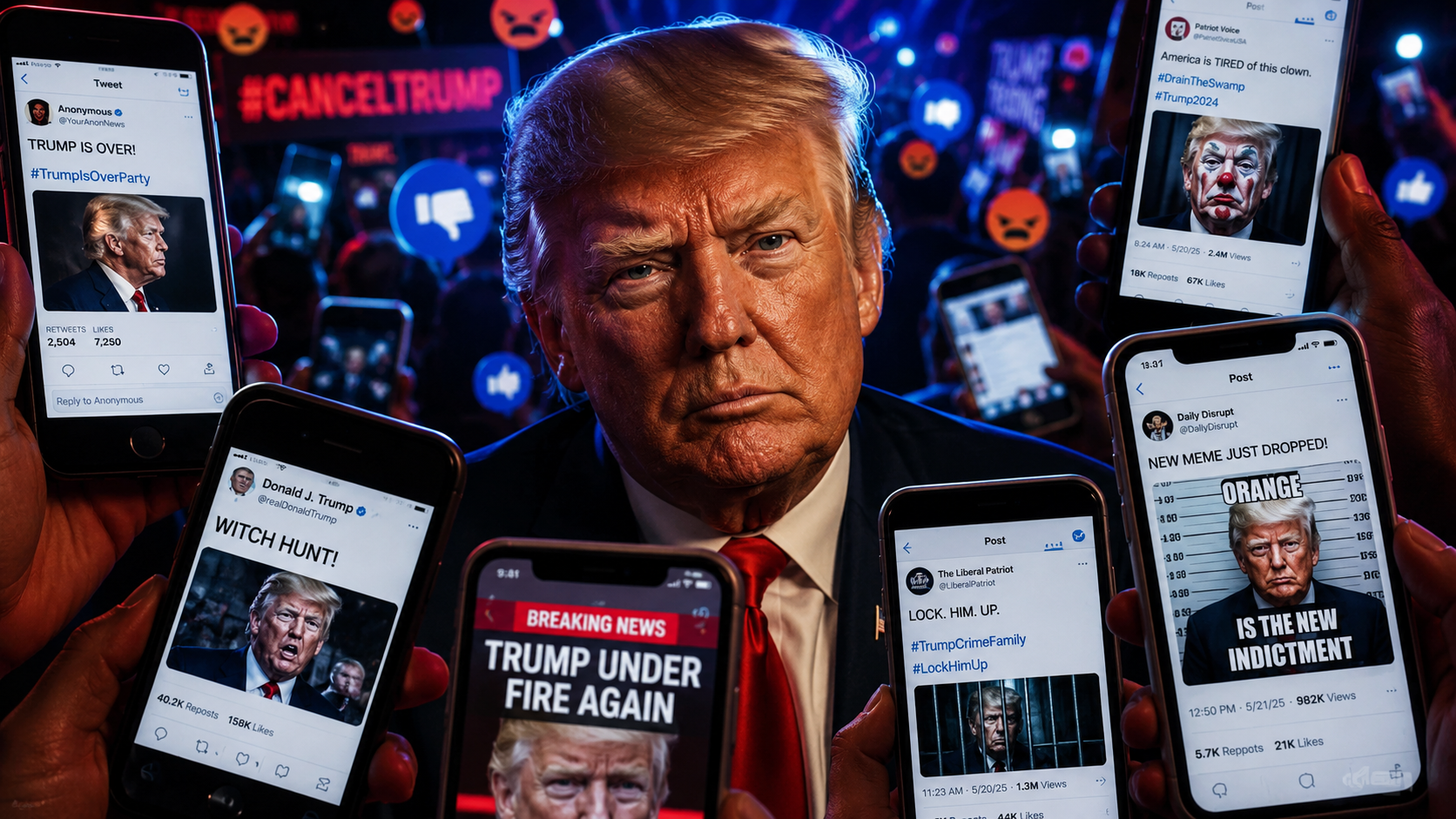
Some users joked that Trump appeared tired or distracted during an important moment. Others defended him aggressively, saying the media was once again twisting reality for clicks. Meanwhile, political commentators, influencers, meme pages, and even casual internet users joined the conversation.
But here’s the bigger question:

Why are Americans so obsessed with every tiny moment involving Donald Trump?
The answer is simple — attention.
Whether people support him or criticize him, Trump continues to dominate online conversations in a way almost no politician can. And this latest “sleep controversy” is another example of how fast a single image or short video can take over the internet.
In this article, we’ll break down:
- What actually happened
- Why the clip went viral
- How social media reacted
- Whether concerns about Trump’s health are serious
- And why this controversy matters politically in 2026
Let’s dive in.
🔥 Monica Witt Spy Case 2026: FBI Renews Hunt for Former U.S. Air Force Officer 🔥
The Viral Donald Trump Clip That Set the Internet on Fire

The controversy began after short clips and screenshots started circulating online during a high-profile political appearance.
In the footage, Trump appeared unusually quiet for a brief moment while seated during discussions. Some users claimed he looked sleepy. Others insisted he simply blinked or paused while listening carefully.
Sounds small, right?
But in today’s internet culture, small moments become gigantic headlines within minutes.
Within hours:
- Meme accounts reposted the clip
- TikTok creators made reaction videos
- Political influencers gave their opinions
- News blogs pushed “Trump health concern” headlines
- Hashtags related to Trump’s energy and age started trending
This is exactly how modern viral culture works in America.
One freeze-frame photo can create millions of reactions.
And because Trump already carries a larger-than-life public image, even ordinary moments quickly become national discussions.
Why Americans Can’t Stop Watching Trump
Love him or hate him, one thing is undeniable:
Donald Trump understands media attention better than almost anyone in modern politics.
For nearly a decade, he has remained one of the most talked-about people in America. Every speech, facial expression, interview, or public appearance turns into online content.
That’s not normal for politicians.
Usually, political news fades quickly. But Trump operates more like a celebrity mixed with a reality-TV personality.
And Americans consume that content nonstop.
🔥 Starlink India: Price, Launch Date, Features & Latest Updates 🔥
The “Always Trending” Effect
There are several reasons Trump stories explode online:
1. Emotional Reactions Drive Clicks
Trump creates strong emotions.
People either:
- strongly support him,
- strongly oppose him,
- or simply enjoy the chaos surrounding him.
That emotional reaction fuels shares, comments, and debates.
2. Social Media Loves Drama
Platforms like TikTok and X reward controversial or emotional content.
A calm policy discussion may get ignored.
But a headline like:
“Did Trump Fall Asleep During Important Meeting?”
…immediately grabs attention.
Curiosity sells.
3. Meme Culture Makes Everything Bigger
Internet meme pages transformed the moment into entertainment within minutes.
Users added:
- funny captions,
- edited music,
- reaction clips,
- and comparisons to past political moments.
In America, politics has increasingly become internet entertainment.
That’s why viral political moments spread faster than traditional news now.
Is Trump’s Health Actually a Concern?
This is where the conversation becomes more serious.
At 79 years old, Trump’s age naturally becomes part of public discussion — especially during a high-pressure political season.
Americans are paying closer attention to:
- stamina,
- speech patterns,
- body language,
- and energy levels of older political leaders.
And Trump is not the only one facing these questions.
Age-related discussions have become a major topic across American politics in recent years.
What Experts Usually Say About Viral Health Speculation
Medical experts often warn people not to draw conclusions from short clips online.
A single freeze-frame or brief pause rarely proves anything meaningful.
Someone can:
- blink,
- look downward,
- pause while thinking,
- or simply appear tired after long events.
But social media doesn’t wait for full context.
The internet reacts instantly.
And once a narrative begins trending, millions of people join the discussion before facts fully emerge.
That’s exactly what happened here.
The Internet Reaction Was Wild
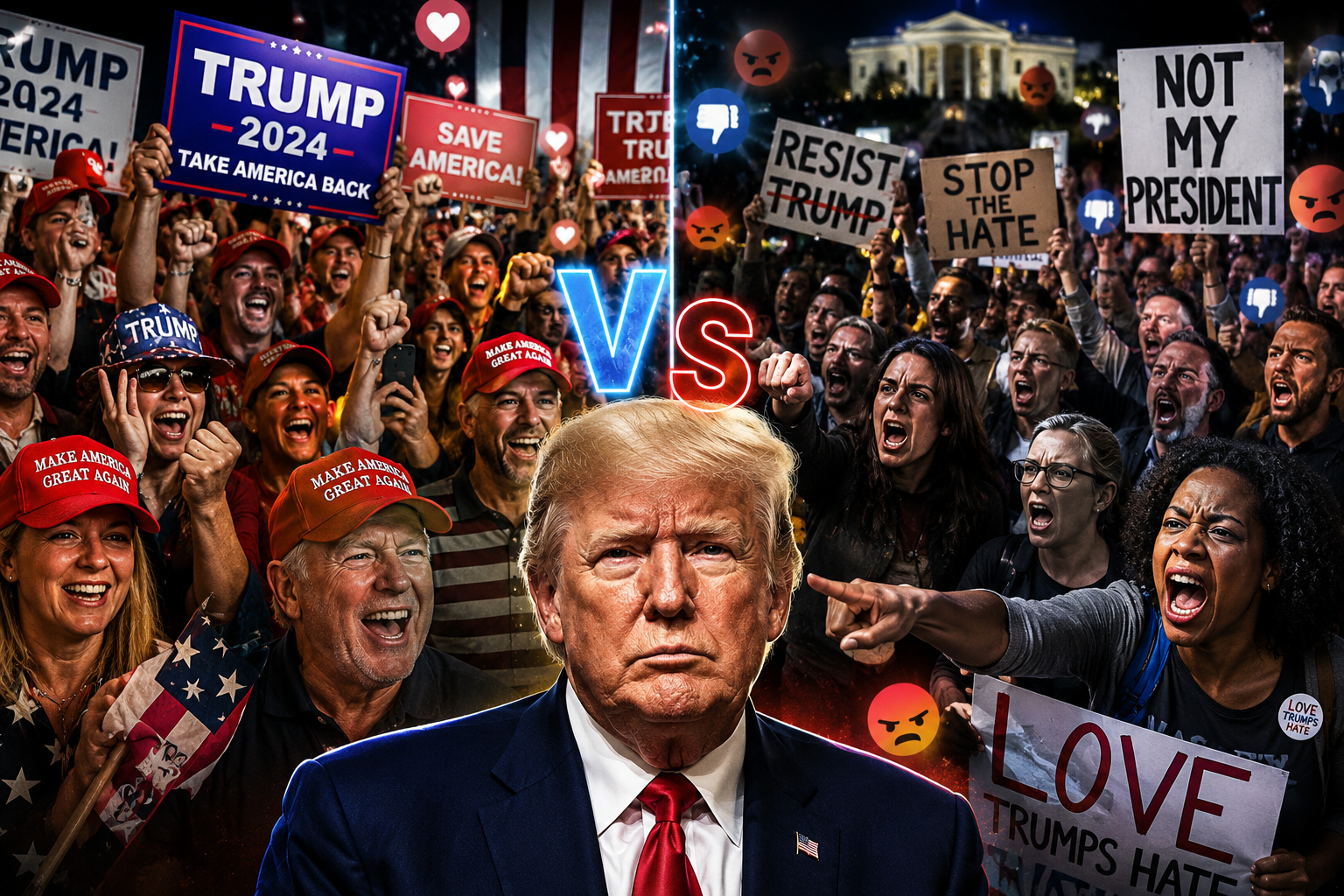
The reactions online were completely divided.
Trump Supporters Said…
Many supporters argued the controversy was exaggerated intentionally.
They claimed:
- media outlets were pushing misleading narratives,
- opponents were mocking Trump unfairly,
- and short clips were being taken out of context.
Some users even posted longer versions of the footage to defend him.
Critics Responded Aggressively
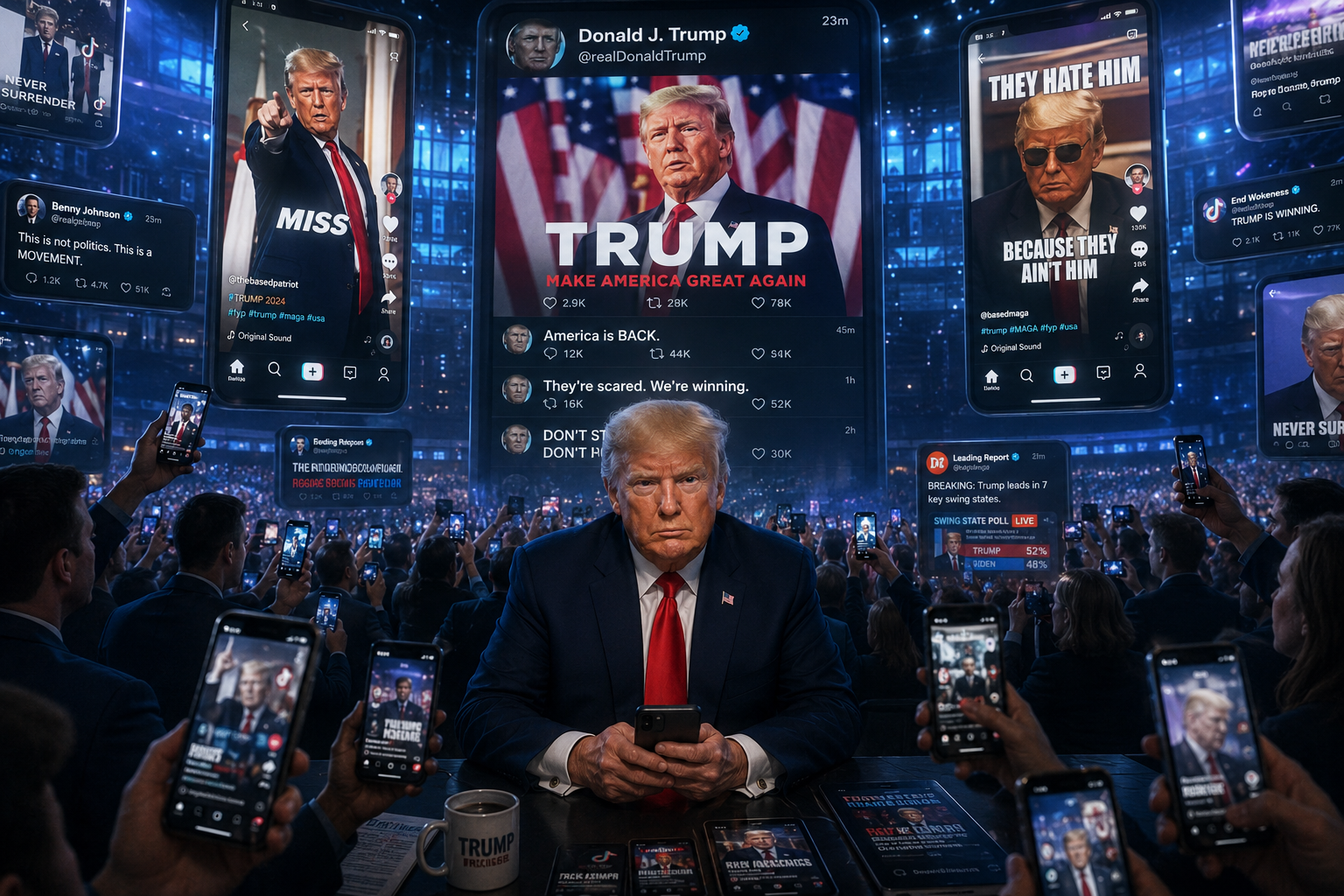
Meanwhile, critics used the moment to question Trump’s fitness and stamina.
Some viral posts compared the situation to previous controversies involving other political figures.
Memes exploded across:
- TikTok,
- Reddit,
- Instagram,
- and X.
Several videos gained millions of views within hours.
That’s the power of American political internet culture in 2026.
Why Viral Political Moments Matter More Than Ever
Years ago, political campaigns depended heavily on TV interviews and newspaper headlines.
Today?
A single 10-second clip can dominate national conversation.
That changes everything.
Attention Is the New Power
Modern politics runs on:
- visibility,
- engagement,
- and viral reach.
Even negative attention keeps politicians in headlines.
And Trump understands that ecosystem extremely well.
Whether intentionally or accidentally, he constantly remains the focus of online discussions.
That visibility keeps his supporters energized and guarantees nonstop media coverage.
The Psychology Behind Viral Political Drama
Why do people click these stories so fast?
Because human brains are naturally attracted to:
- controversy,
- conflict,
- emotional reactions,
- and uncertainty.
A headline suggesting something unusual about a powerful leader instantly triggers curiosity.
People want answers.
They want to feel informed before others.
That’s why terms like:
- “viral moment,”
- “health scare,”
- “controversy,”
- and “internet reacts”
perform incredibly well in Google Discover and social feeds.
Could This Impact Trump Politically?
Possibly — but maybe not in the way people expect.
Interestingly, controversies often strengthen Trump’s visibility instead of hurting it.
His supporters frequently see criticism as proof that media outlets are obsessed with attacking him.
That creates stronger loyalty among his fan base.
Meanwhile, critics continue sharing the stories widely because they provoke emotional reactions.
The result?
Trump remains everywhere online.
And in modern politics, staying visible is half the battle.
America’s Obsession With Political Spectacle
The bigger story here might not even be Trump himself.
It may be America’s growing obsession with political entertainment.
Today:
- politics behaves like celebrity culture,
- viral clips spread faster than facts,
- and emotional reactions dominate social feeds.
People aren’t just watching politics anymore.
They’re consuming it like streaming content.
That shift explains why moments like this explode so quickly.
What This Viral Moment Says About 2026 Internet Culture
This controversy perfectly reflects modern online behavior.
Here’s the pattern:
- A short clip appears online
- Social media reacts instantly
- Memes spread everywhere
- News outlets amplify the story
- Millions debate it
- Nobody fully agrees on reality
Welcome to internet culture in 2026.
Truth moves slower than virality.
And attention spreads faster than context.
Could Similar Viral Moments Continue?
Absolutely.
As election discussions heat up, every public appearance by major political figures will face intense online analysis.
That means:
- more viral clips,
- more health speculation,
- more meme wars,
- and more internet drama.
This is now part of the American political machine.
And audiences clearly can’t stop watching.
❓ FAQ Section: The Trump Sleep Controversy Explained
Q1. Why did the Trump sleep controversy go viral?
A: It spread rapidly because **short clips and screenshots** flooded social media platforms, sparking intense online debates over whether Trump appeared visibly tired or inattentive during a public event.
Q2. Did Donald Trump actually fall asleep?
A: There is **no verified evidence** proving that he actually fell asleep. Most of the widespread discussions are driven by brief internet clips and speculative commentary.
Q3. Why are people discussing Trump’s health?
A: Given his **age and constant public visibility**, both the public and political analysts frequently scrutinize his energy levels, posture, and expressions during major events.
Q4. Which platforms made the controversy trend?
A: The viral discussion gained massive traction across key networks including **TikTok, X (formerly Twitter), Reddit, Instagram, and Facebook**.
Q5. Why do Trump stories always get huge attention?
A: Donald Trump consistently triggers **strong emotional reactions** from both passionate supporters and vocal critics, which naturally drives exceptionally high engagement algorithms online.
Q6. Is this controversy politically important?
A: While it heavily influences the daily public narrative, localized **viral moments** do not always translate into a direct or lasting impact on broader election outcomes.
Q7. Are viral political clips always reliable?
A: **Not necessarily.** Extremely short snippets often lack critical context and can easily be framed in a misleading way depending on who is sharing them.
Q8. Why does internet culture amplify small moments?
A: Social media algorithms are built on **controversy, curiosity, and emotion**, which maximize clicks, shares, and comment threads over nuanced reporting.
Q9. What role do memes play in politics now?
A: Memes act as powerful tools that **shape casual public perception** and allow specific political framing to travel across generational divides faster than traditional media.
Q10. Could this help Trump instead of hurting him?
A: It is possible. Persistent controversies ensure Trump remains **highly visible**, a dynamic that often energizes and rallies his base against perceived media bias.
Q11. Why do Americans enjoy political drama online?
A: Modern political culture in the United States has increasingly **overlapped with entertainment culture**, turning civic news into high-engagement social media trends.
Q12. Will more viral controversies happen during election season?
A: **Almost certainly.** High-profile figures face relentless, 24/7 online scrutiny, guaranteeing a steady stream of fast-moving digital controversies throughout the political cycle.
Conclusion: One Viral Clip, Millions of Reactions
The Trump “sleep controversy” may seem small on the surface, but it reveals something much bigger about America today.
Modern politics is no longer driven only by speeches and policies.
It’s driven by:
- viral moments,
- internet reactions,
- memes,
- emotional headlines,
- and nonstop online attention.
Whether people supported Trump or criticized him, millions clicked, watched, commented, and shared the story.
And that’s exactly why these controversies continue dominating the internet.
In 2026, attention moves faster than ever — and few public figures capture that attention like Donald Trump.