



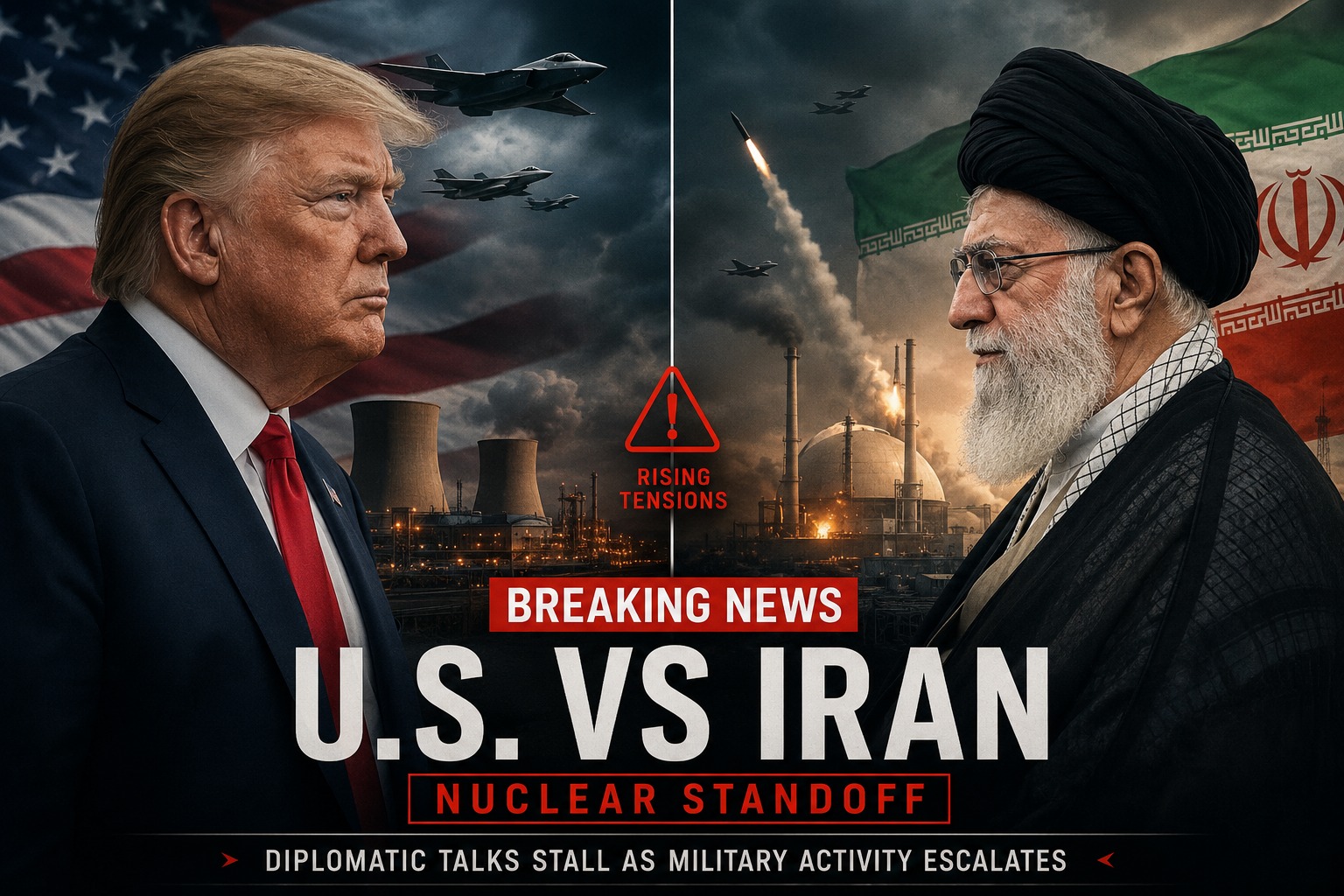
The 60-Day US-Iran Ceasefire Deal Is Hanging by a Thread—And Trump Just Warned Oman. Here’s What You Need to Know.
Have you ever stared at a ticking time bomb, wondering if someone is going to cut the red wire or the blue wire? That is exactly how the entire geopolitical landscape feels right now. If you woke up this morning thinking the global markets were finally stabilizing, think again.
There is a massive storm brewing in Washington, Tehran, and the Middle East, and it centers around a tentative US Iran 60 day ceasefire update that everyone thought was a done deal. But as with anything in modern global politics, nothing is ever that simple.
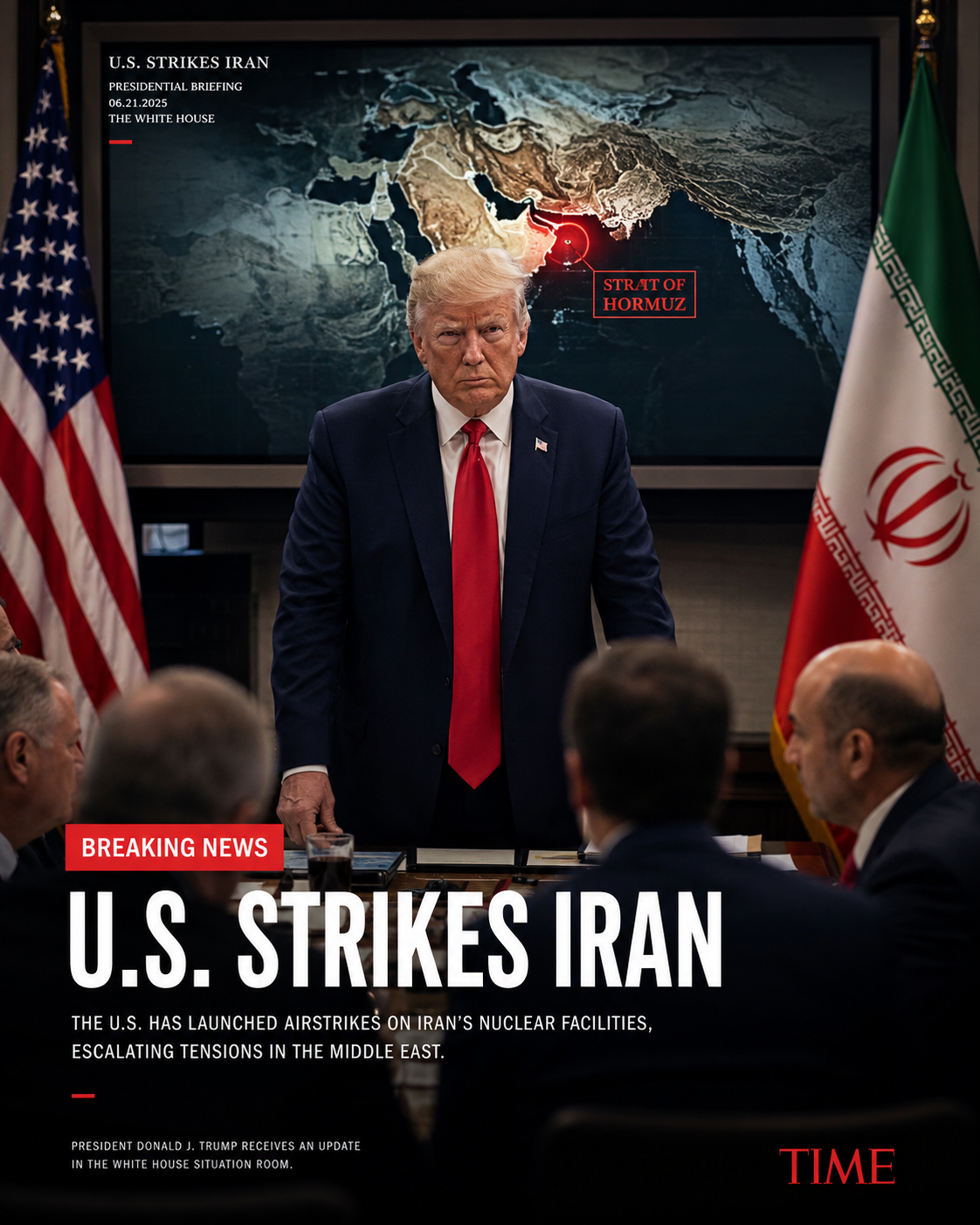

Negotiators have been sweating through their suits trying to ink a Memorandum of Understanding (MOU) to extend the current war truce for another two months. The goal? Give both nations a breather to actually sit down and figure out what to do with Iran’s massive uranium stockpiles. Sounds like good news, right? US-Iran Ceasefire Update 2026
Well, don’t hold your breath just yet.
🔥Donald Trump Viral Sleep Controversy Sparks Massive Debate Across America🔥
The whole thing is currently sitting on the desk of President Donald Trump, and he is doing exactly what he does best: keeping the entire world guessing. Treasury Secretary Scott Bessent let it slip that Trump wants a few days to “think about it” because he refuses to sign a bad deal for America.
To make matters wilder, a side-plot involving a secret shipping toll in the Strait of Hormuz just leaked, and Trump’s response to it was so aggressively blunt that diplomatic rooms from Muscat to London are shaking.
Let’s break down exactly what is happening, why your wallet might care about it sooner than you think, and what this means for the global map.
The Fragile Blueprint: Inside the 60-Day Truce MOU
Let’s look at the nuts and bolts of this proposed deal. The core idea behind the US-Iran Ceasefire Update 2026 is to prevent a full-scale regional war from boiling over completely. We are looking at a continuation of the April 8 truce, which was designed to stop the endless cycle of rocket fire, drone strikes, and naval standoffs that have defined the past several months.
Proposed 60-Day MOU Roadmap:
[Extend April 8 Truce] ──> [Freeze Uranium Enrichment] ──> [Direct Bilateral Talks]
But why the sudden urge to push for a 60-day window? It boils down to nuclear leverage. International mediators have been pushing a framework where Iran agrees to freeze its high-level uranium enrichment in exchange for temporary, highly specific sanctions relief. Vice President JD Vance confirmed that while our negotiators have cleared some massive hurdles, the ultimate stamp of approval is “still TBD.”
But let’s be real for a second—this truce isn’t built on a foundation of trust. It’s built on thin ice over a boiling volcano. Just weeks ago, we saw US assets in the region taking direct heat. American fighter jets were launching retaliatory strikes against Iranian-backed militias in Syria and Iraq after suicide drones targeted US personnel stationed near Kuwaiti airbases. Tehran claimed they had no direct control over those proxy groups, but Washington wasn’t buying it.
That is the chaotic backdrop of these negotiations. The diplomats are trying to write a peace treaty while the radar screens are still flashing red. It’s a classic high-stakes poker game where both sides are holding hidden cards, and nobody wants to blink first.
The Million-Dollar Tollbooth: The Strait of Hormuz Standoff
If the nuclear arguments weren’t enough to give you a headache, let’s talk about the world’s most dangerous choke point: the Strait of Hormuz.
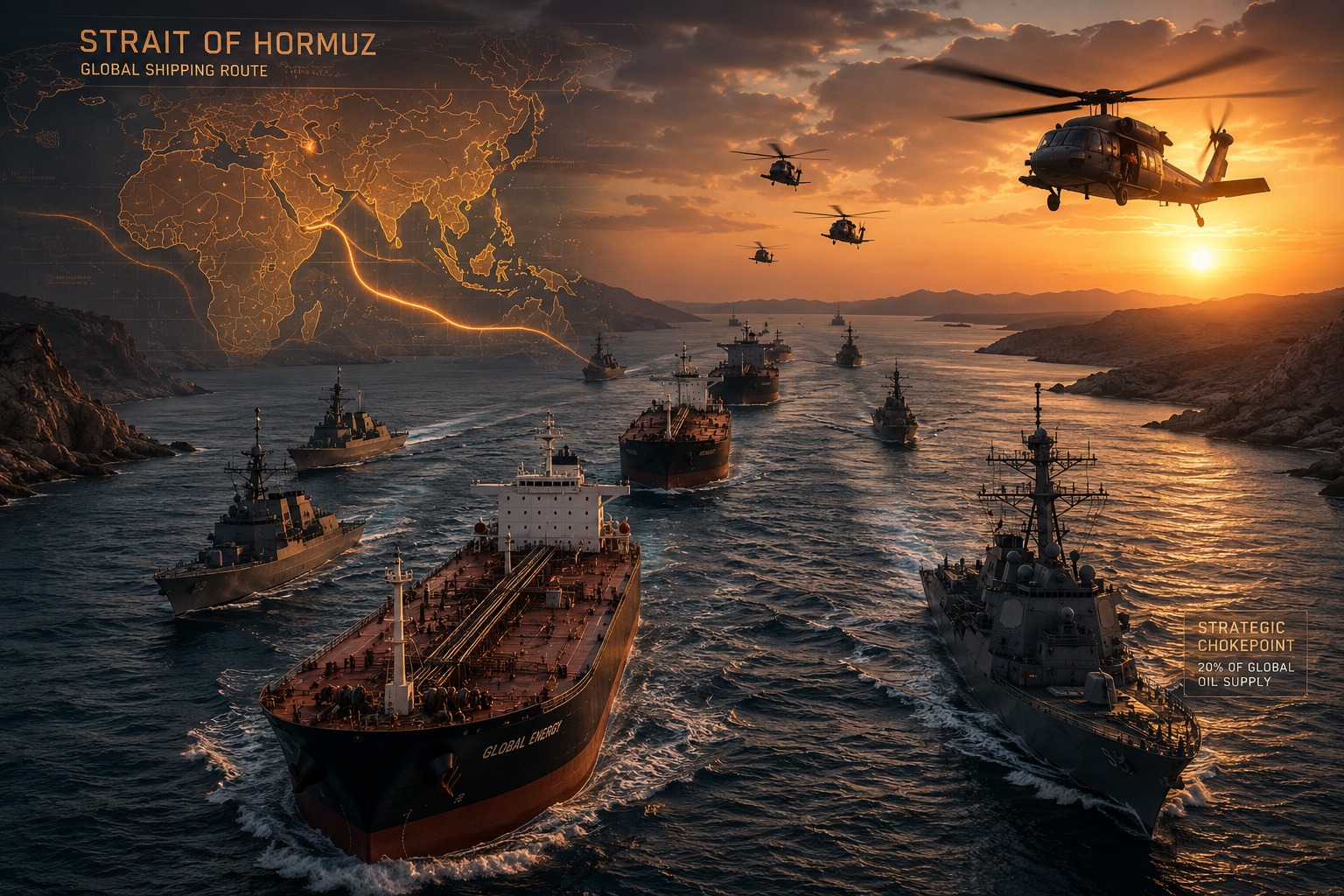
Imagine a highway that carries more than 20% of the world’s total petroleum supply. Now imagine someone tries to put an illegal tollbooth right in the middle of it. That is exactly what just triggered a massive crisis in Washington.
Reports recently leaked that Iranian maritime officials held closed-door meetings with representatives from Oman. Historically, Oman has been the quiet, neutral mediator of the Middle East—the country that helps the US and Iran talk when they are busy screaming at each other. But this time, rumors surfaced that the two nations discussed a joint framework to charge a “transit fee” or “shipping toll” on commercial vessels navigating through the strait.
      [ THE STRAIT OF HORMUZ CHOKEPOINT ]
  =================== [ Toll Threat ] ===================
  ▲ 20%+ of World Oil Transit   |   ▲ Heavy US Naval Presence
The reaction from the White House? Absolute fire and fury. During a recent cabinet meeting, Trump didn’t mince words. He made it crystal clear that the United States considers the strait to be international waters and that “nobody is going to control it.” He went a step further, issuing a direct, viral warning to Oman to “behave,” hinting at catastrophic military outcomes if international shipping lanes are compromised.
🔥Starlink India: Price, Launch Date, Features & Latest Updates (2025) 🔥
To back up those words with economic muscle, Treasury Secretary Scott Bessent moved at lightning speed to issue strict federal sanctions against Iran’s newly minted Persian Gulf Strait Authority (PGSA). The US government has now made it a federal crime for any corporate shipping entity, insurance firm, or international bank to pay a single cent to this authority.
This isn’t just a political argument; it’s a direct threat to global supply chains. If those shipping lanes get choked or if insurance companies refuse to cover tankers moving through Oman’s waters, energy prices across the United States could spike overnight.
Why Trump Is Waiting to Sign the Deal
So, if the draft for the US-Iran Ceasefire Update 2026 is ready, why hasn’t the President signed it yet? Why leave the world hanging?
It comes down to a fundamental shift in how Washington handles international agreements. The current administration doesn’t want a repeat of past deals that they felt gave away too much American leverage for empty promises. Trump’s hesitation is a calculated geopolitical move. By publicly declaring that he needs “a couple of days to think about it,” he is signaling to Tehran that he is entirely willing to walk away from the table.
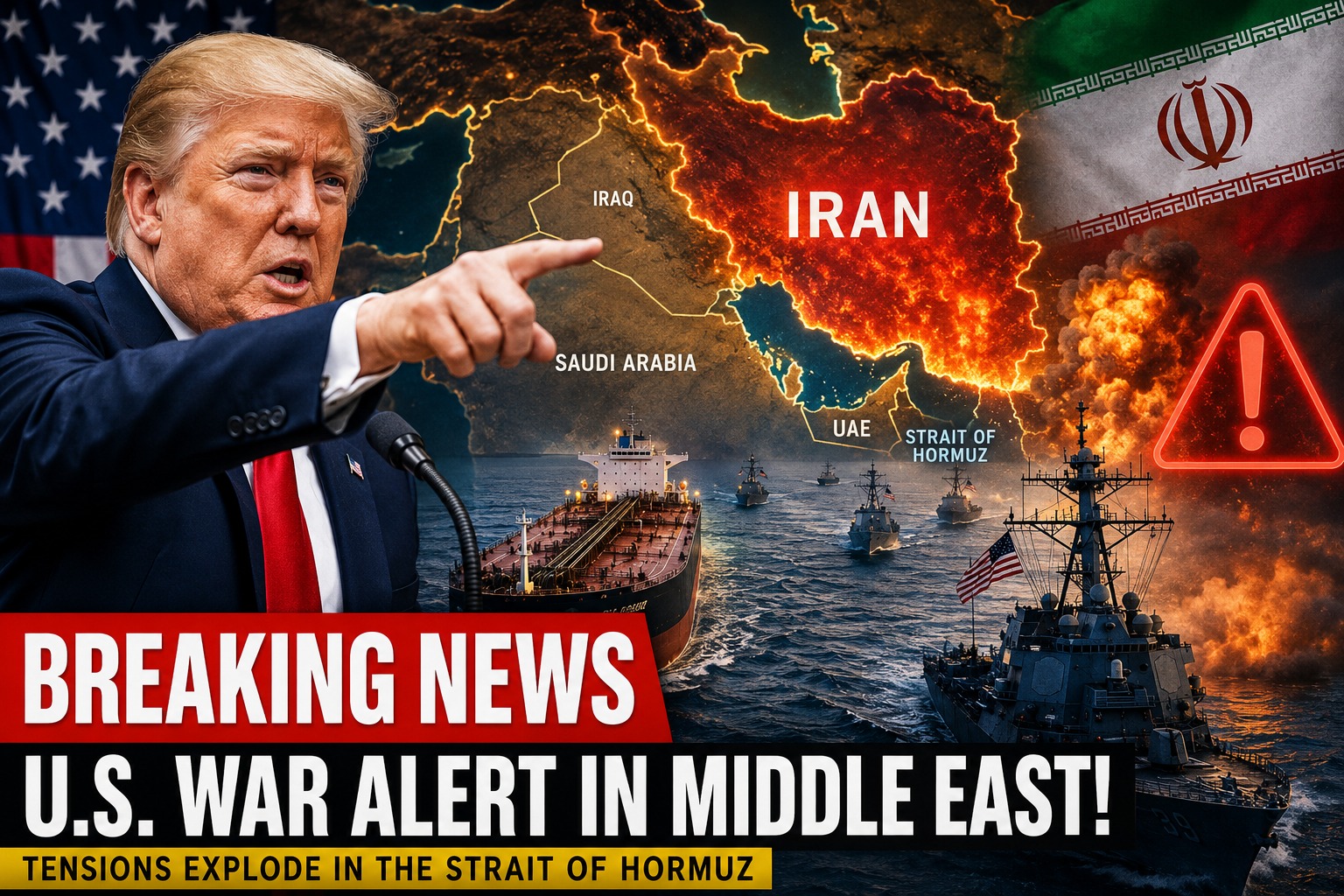
Our sources within the Treasury and State departments suggest there are three specific sticking points holding up the President’s signature:
-
Verification Mechanisms: How do we absolutely guarantee that Iran isn’t moving its uranium stockpiles to underground facilities in the middle of the night while the ceasefire is active?
-
The Proxy Problem: The US wants a ironclad guarantee that Iranian-backed groups in Yemen, Iraq, and Lebanon will completely halt their drone and missile programs during the 60 days.
-
The Shipping Issue: Trump wants explicit, written assurances regarding the Strait of Hormuz shipping tolls before he agrees to relax even a fraction of the current economic pressure.
Treasury Secretary Bessent summed up the strategy perfectly to reporters, noting that the administration is looking for structural changes, not temporary band-aids. The American public is tired of endless conflicts, but they are equally cynical about international agreements that look good on paper but fail in the real world. Trump is leveraging this exact sentiment, positioning himself as the ultimate gatekeeper who won’t be rushed by international pressure.
What Happens Next? The Best-Case and Worst-Case Scenarios
We are standing at a major fork in th
e road, and the next 48 hours will likely dictate how the rest of the year plays out for global security and energy markets.
                          ┌───> [ Trump Signs ] ───> 60-Day Peace Window & Nuclear Talks
[ The 48-Hour Decision ] ─┤
                          └───> [ Trump Rejects ] ──> Sanctions Escalation & Naval Standoff
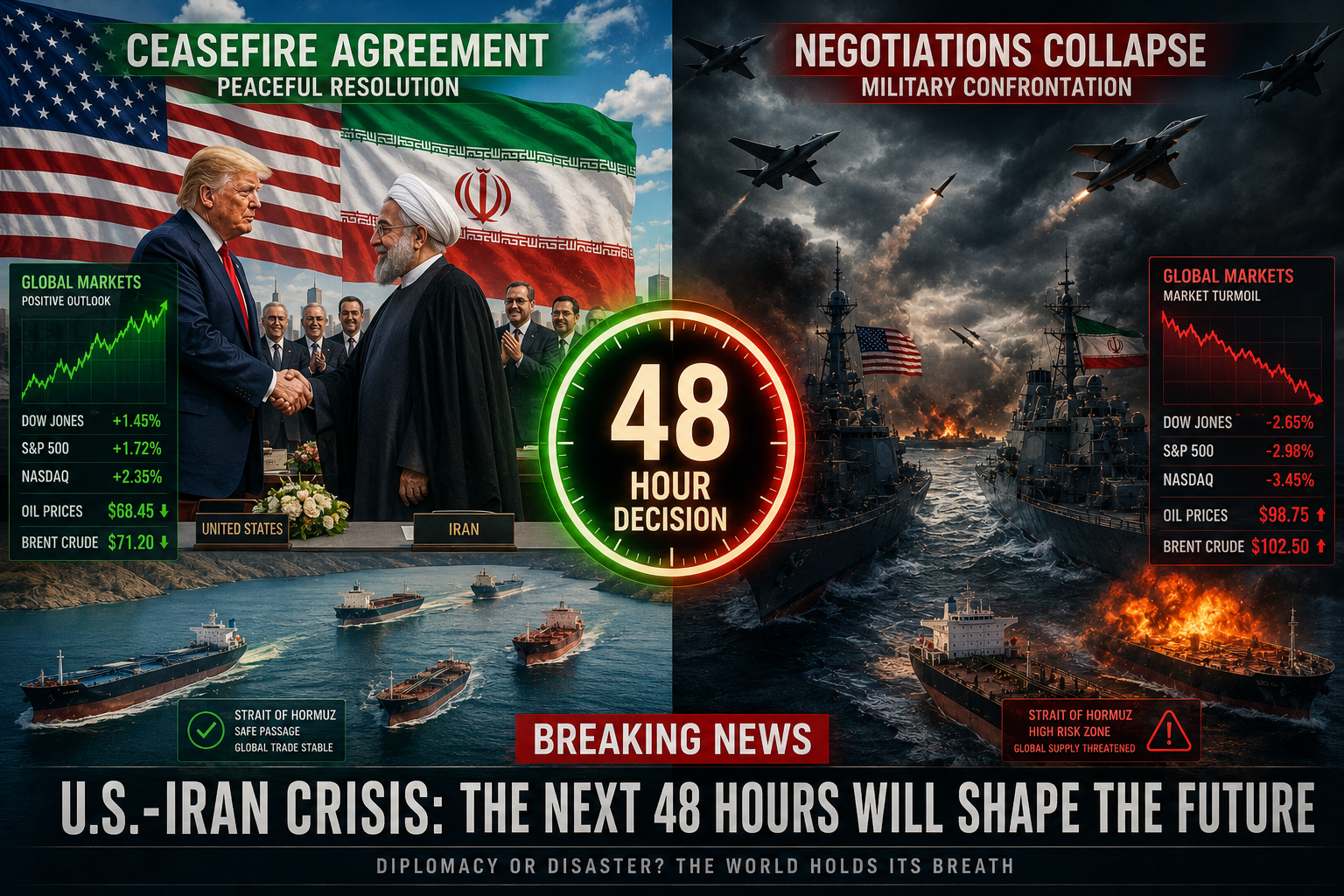
If Trump decides to sign the MOU US Iran war truce, we will see an immediate, though tense, stabilization. Oil markets will breathe a sigh of relief, shipping insurance rates will level off, and a formal diplomatic channel will open up in Geneva or Muscat to tackle the nuclear issue. It won’t mean peace, but it will mean predictability.
On the flip side, if Trump tears up the draft agreement, expect the temperature to hit absolute boiling point. We will likely see an immediate escalation of US economic sanctions, potentially targeting any foreign nation that continues to buy oil from Tehran.
In response, Iran could increase its naval patrols in the Gulf, turning the Oman Strait of Hormuz threat into an active military standoff. US naval destroyers are already stationed in the region, and any minor miscalculation by a drone operator or a gunboat captain could spark a direct confrontation.
This isn’t just an abstract foreign policy issue for political junkies. The outcome of this decision hits home. It affects the price of the gas you put in your truck, the stability of your retirement portfolio, and the deployment schedules of thousands of American service members stationed across the Middle East. The world is watching the White House, waiting to see which way the pendulum swings.
🌍 FAQ: US-Iran Geopolitical Update
Q1. Has the US and Iran agreed to a ceasefire?
A: International mediators have brokered a tentative deal to extend the ceasefire by 60 days and initiate nuclear talks. However, the Memorandum of Understanding (MOU) is still awaiting final approval from President Trump.
Q2. What is happening with the Strait of Hormuz right now?
A: It remains a high-tension zone. The US Treasury has imposed heavy sanctions on Iran’s Persian Gulf Strait Authority (PGSA) following reports of a joint shipping toll discussion between Iran and Oman. The US has officially warned entities against paying these tolls.
Q3. What did Trump say about Oman?
A: In a recent cabinet meeting, President Trump explicitly warned that the US would take extreme military action against Oman if the nation fails to maintain absolute shipping neutrality in the Strait.
Q4. Why is the 60-day window so important?
A: This period acts as a high-pressure cooling-off phase, allowing both sides to establish protocols for Iran’s uranium stockpiles while preventing immediate military or rocket strikes.
Q5. Are gas prices in the US going to go up because of this?
A: Stability depends on the ceasefire. If signed, markets should stabilize; if it fails and Hormuz tensions rise, shipping insurance spikes could directly cause a jump in US gas prices.
Q6. What is the role of Treasury Secretary Scott Bessent in this deal?
A: Secretary Bessent is the primary economic strategist, managing the sanctions leverage and maritime authority pressure points used to force better terms from Tehran.
Q7. Is JD Vance involved in these negotiations?
A: Yes, Vice President Vance is actively briefing Congress and has characterized the diplomatic progress as “still TBD” pending the President’s final review.
Q8. Why is Oman suddenly involved in a controversy with Iran?
A: Oman’s historic role as a neutral diplomatic go-between is under fire after intelligence revealed discussions about a joint maritime transit fee with Iran, angering the White House.
Q9. What happens if Iran violates the tentative truce?
A: The US has made it clear: any resumption of proxy attacks or naval harassment will result in immediate intensification of military options and sanctions.
Q10. How does this affect regular Americans?
A: It impacts Americans through energy costs and inflation, as well as the broader stability of US foreign policy and potential overseas military deployments.
Q11. What are the main demands of the US administration?
A: The US insists on verified caps on nuclear enrichment, a halt to proxy militia attacks, and absolute, **untaxed free navigation** through global shipping lanes.
Q12. When can we expect a final decision from the President?
A: According to senior officials, President Trump is expected to make his decision on the 60-day extension within the next 48 to 72 hours.
The Bottom Line
We are looking at a classic moment of modern American statecraft: high stakes, loud rhetoric, and massive economic leverage all colliding at once. The US Iran 60 day ceasefire update isn’t just about stopping a conflict; it’s about rewriting the rules of engagement in the Middle East.
Whether you love or hate the aggressive, unpredictable style of diplomacy coming out of Washington right now, you cannot deny one thing: it forces everyone to the table. The coming days will show us whether this high-pressure strategy yields an historic truce or pushes the region closer to the edge. Keep your eyes on the headlines and your tank filled—this ride is far from over.